




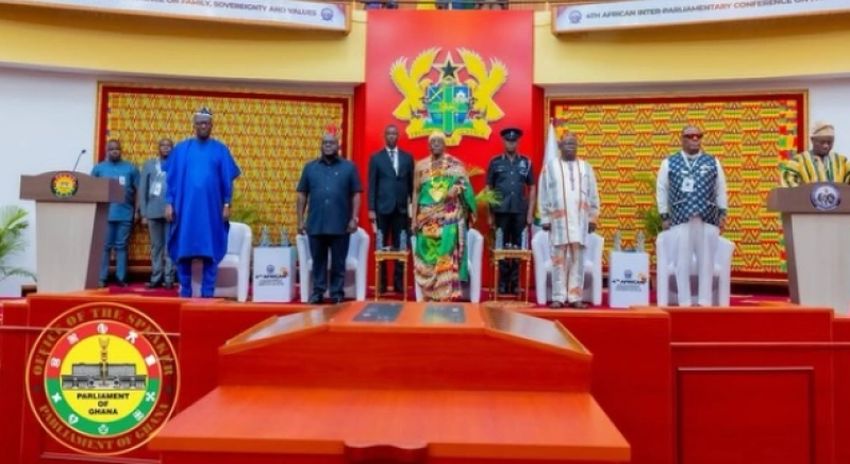
A proposed African charter aimed at promoting family values, national sovereignty and cultural identity is drawing support from lawmakers and religious leaders across the continent while sparking opposition from human rights groups and some governments, who say it could undermine existing protections for women and minority groups, reports Christian Daily.
Eighteen of 20 African nations represented by lawmakers at the the Fourth African Inter-Parliamentary Conference on Family Values and Sovereignty in Ghana from June 3 to 6 endorsed the proposed charter, while South Africa and Mozambique abstained from adopting the charter.
Explaining SA’s decision, Zandile Majozi, who led the SA delegation, said the charter contradicts the SA Constitution — in particular Chapter Two which contains the Bill of Rights, which prohibits discrimination on the basis of gender and sexual orientation. Majozi, who chairs the Parliamentary Group on International Relations, also said SA could not support the charter because it “does not align with the regional and international laws that we believe in”,
Mozambique reportedly withheld endorsement to allow for broader national consultation and a comprehensive public review before taking a binding, final position.
Conference organisers described the charter as a framework for strengthening families and safeguarding national independence from external pressure to adopt social policies that conflict with local cultures and religious beliefs. Christian Council International said the charter would safeguard African family values from what it described as external pressures related to LGBTQ rights and abortion. “It [the family charter] acknowledges Africa’s longstanding commitment to universal human rights but warns that many modern treaties and aid agreements come with hidden conditions that undermine African values.,” CCI said in an earlier summary of the charter.
“These often promote policies on abortion, sexual orientation, gender identity, and comprehensive sexuality education, policies that African leaders argue clash with African traditions and weaken parental authority. The Charter calls for African unity in resisting these pressures, protecting natural resources, and building societies rooted in Africa’s own values,” it added.
Supporters say the charter reflects concerns shared by many Africans about the growing influence of international organisations, foreign governments and advocacy groups on domestic social policies.
The proposal, however, has quickly become a divisive social policy debates on the continent. Critics argue that the draft charter goes far beyond protecting families and could weaken existing human rights commitments adopted by African states over the past two decades.
According to reports on the draft document, the charter defines gender strictly as male and female, promotes traditional family structures, opposes comprehensive sexuality education and calls on governments to review international agreements that conflict with its principles.
Human rights organisations say some provisions could conflict with the African Union’s Maputo Protocol, a landmark treaty adopted in 2003 to advance women’s rights across the continent.
The International Planned Parenthood Federation criticised the discussions in Ghana in a statement, calling them “retrogressive.”
“Across the continent, we are witnessing increasingly coordinated efforts to roll back sexual and reproductive rights for women and girls in all their diversities, undercut civil and political rights for all, restrict civic spaces, weaken human rights protections, and to portray LGBTQI+ people as threats to society rather than as members of our communities, our families and our nation,” IPPF said in a statement.
Charter supporters argue that the initiative is not an attack on human rights but an effort to preserve cultural values.
Aligning national laws with African and religious values
The debate comes at a time when several African countries are considering or implementing legislation related to family values, sexuality and religious freedom. In Ghana, lawmakers recently approved the controversial Human Sexual Rights and Family Values Bill, which criminalises LGBTQ promotion.
The timing of the parliamentary action and the Accra conference has led many observers to view the charter as part of a broader movement seeking to influence social policy across Africa, reports Christian Daily.
The initiative also reflects the growing role of faith-based organisations in shaping public debates on the continent.
Supporters of the charter say it would help African countries preserve cultural values and exercise greater control over social policy. Conference materials and advocates associated with the initiative argue that governments should be able to develop family and education policies without what they describe as undue external influence from foreign governments, donors and international organisations.
“Africa must be allowed to define its own values,” supporters said during discussions surrounding the conference.
Yet not all African governments appear ready to embrace the proposal and the abstentions by SA and Mozambique highlighted emerging divisions among African states over how social policy should be shaped and what role international human rights agreements should play.
The discussion has also raised broader questions about the relationship between culture, religion and public policy in a rapidly changing Africa.
The continent is home to some of the world’s fastest-growing Christian populations, particularly among evangelical and Pentecostal churches. At the same time, African governments are facing increasing pressure to balance traditional values with international commitments on human rights and development.
As discussions continue, the proposed African Family Values Charter is emerging as one of the most significant social and political debates currently unfolding across the continent.
Whether it ultimately gains wider support or encounters stronger resistance, the initiative has already succeeded in placing the question of who defines African values at the centre of public discussion.
Please help us to keep on publishing news that brings Hope in Jesus:
>> Donate >> Become a Super Subscriber
VISIT OUR YOUTUBE CHANNEL: https://www.youtube.com/gatewaynews100
COMMENTING GUIDELINES
You are welcome to engage with our articles by making comments [in the Comments area below] that add value to a topic or to engage in thoughtful, constructive discussion with fellow readers. Comments that contain vulgar language will be removed. Hostile, demeaning, disrespectful, propagandistic and off-topic comments may also be moved. This is a Christian website and if you wish to vent against Christian beliefs you have probably come to the wrong place and your comments may be removed. Ongoing debates and repetitiveness will not be tolerated. You will also disqualify yourself from commenting if you engage in trolling.