





By Rachel Kalidass, Prayer and Repentance Movement
As Purim or the biblical Feast of Esther was celebrated this week, the headlines are filled with news of escalating conflict in the Middle East involving Israel, the United States, and Iran. Sirens, airstrikes, diplomatic tensions, and military mobilisation dominate global attention. Yet, amid the uncertainty and anxiety of war, the story of Purim rises with profound relevance.
Purim is not merely a Jewish historical remembrance. It is a prophetic reminder. It tells the story of a people marked for destruction, a hidden enemy operating through political power, and a divine reversal that transformed imminent annihilation into victory and preservation.
The Book of Esther has echoed through centuries of Jewish history, reminding Israel — and all who stand with her — that though enemies may rise, they do not ultimately prevail.
The Book of Esther: a story of crisis and courage
The Book of Esther unfolds in ancient Persia. The Jewish people were living in exile, scattered among the nations. Haman, a high-ranking official, devised a genocidal plan to eliminate them. Through manipulation, political influence, and calculated hatred, he secured a decree authorising their destruction.
The threat was legal. It was governmental. It was systemic.
Yet in the face of that decree, Esther — an unlikely queen in a foreign court — rose in courageous leadership. She called for a national fast. She risked her life to approach the king. She interceded for her people. And through a series of divinely orchestrated events, the very gallows prepared for Mordecai became the instrument of Haman’s downfall.
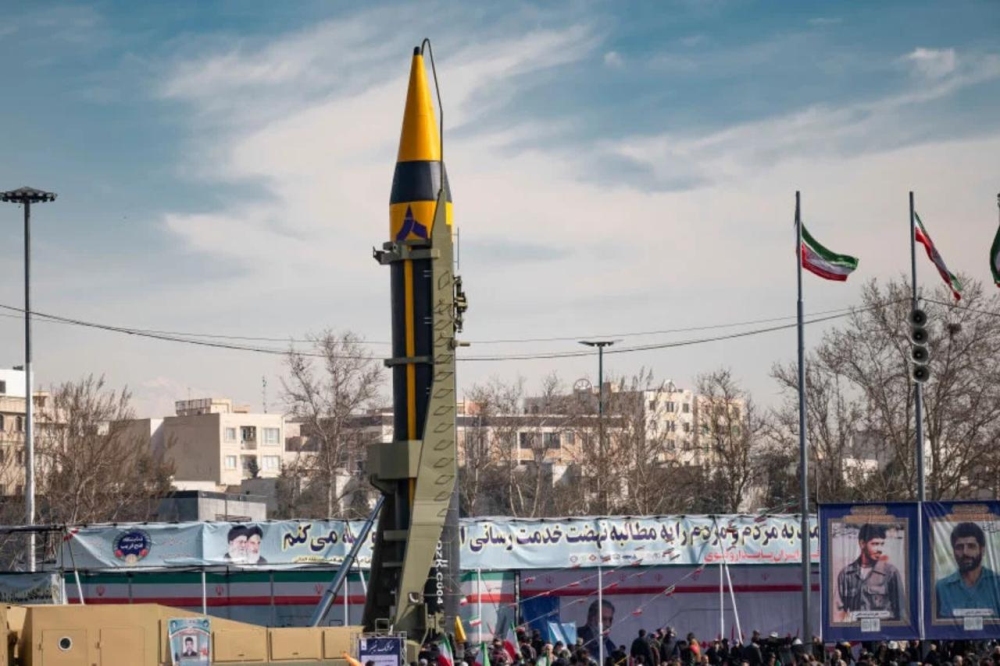
The theme of Purim is clear: what the enemy plots in secret, God overturns in His sovereignty.
Purim and the pattern of reversal
Throughout history, the Jewish people have faced repeated existential threats: exile, persecution, pogroms, and wars. From ancient empires to modern totalitarian regimes, enemies have risen with declarations of eradication. And yet Israel remains.
This enduring survival is not merely political or military. It is covenantal. The preservation of Israel through centuries of dispersion and hostility stands as one of history’s most remarkable realities. The story of Esther is not an isolated miracle; it is part of a larger biblical narrative of divine faithfulness.
The modern Middle East: echoes of an ancient conflict
Today’s conflict involving Israel, Iran, and global powers such as the US carries echoes of the Persian narrative in Esther. Iran, historically rooted in ancient Persia, once served as the backdrop for Israel’s deliverance. Now, in modern geopolitics, tensions between Israel and Iran have escalated dramatically.
While historical contexts differ, the spiritual parallels are striking:
- A declared hostility toward Israel.
- Regional alliances forming around ideological opposition.
- Political maneuvering that threatens national security.
- The language of elimination and destruction resurfacing.
Purim reminds us that such hostility is not new. The spirit behind Haman’s decree — a desire to annihilate the Jewish people — has appeared in different forms across generations. The names change. The empires change. The technologies of war change. But the underlying pattern remains.
Yet, so does the divine response.
The hidden hand of Providence
One of the most fascinating aspects of the Book of Esther is that the name of God is never explicitly mentioned. And yet His providence is woven into every chapter. Coincidences align. Timing shifts. Sleep is interrupted. Records are reviewed. Doors open. Favour emerges.
In times of war and uncertainty, many ask: Where is God?

Purim answers not with spectacle, but with assurance. Even when unseen, He is active. Even when unspoken, He is sovereign. The hidden hand that preserved Israel in Persia is not absent in today’s Middle East.
History has demonstrated that Israel’s survival has often defied conventional probability. In 1948, against overwhelming odds, the modern state of Israel was established. In 1967, during the Six-Day War, rapid and unexpected military developments shifted the course of regional conflict. Again and again, moments of crisis have been met with improbable reversals.
For many believers, these are not coincidences but continuations of a biblical pattern.
Courageous leadership in crisis
Esther’s story is not only about divine intervention; it is about human responsibility. Mordecai’s words to Esther ring across time: “Who knows whether you have come to the kingdom for such a time as this?”
Crisis demands courageous leadership. In the modern Middle East, leaders in Israel and allied nations face complex and high-stakes decisions. Military strategy, diplomacy, intelligence, and humanitarian considerations intersect under intense global scrutiny.
Purim highlights the importance of leaders who act not from fear, but from conviction and moral clarity. Esther did not deny the threat. She confronted it. She sought wisdom. She mobilized prayer and fasting. She acted decisively.
For communities of faith observing Purim today, the call is similar: to intercede, to remain steadfast, and to stand in solidarity during times of uncertainty.
The role of fasting and prayer
The Fast of Esther precedes the celebration of Purim. It represents humility before God in the face of overwhelming threat. In times of war, fasting and prayer remain powerful spiritual responses.
Fasting does not deny the reality of conflict. It acknowledges human limitation and divine sovereignty. It aligns the heart with heaven’s purposes. It seeks wisdom, protection, justice, and peace.

As conflict unfolds in the Middle East, many believers worldwide are turning again to intercession — for protection of civilians, for wisdom among leaders, for restraint, for justice, and for the ultimate triumph of righteousness over violence.
The Book of Esther reminds us that spiritual battles often precede visible breakthroughs.
A covenant that endures
Central to the Purim narrative is the enduring covenant between God and Israel. The promise given to Abraham in Genesis — of blessing, preservation, and a future — did not expire in exile. It was not nullified by decree. It was not erased by empire.
The survival of Israel through centuries of displacement and hostility testifies to a covenantal thread running through history. While geopolitical analysis explains alliances and military capability, the biblical perspective adds another dimension: divine faithfulness.
This does not eliminate conflict. It does not deny suffering. But it anchors hope.
Purim declares that no decree, no empire, no coalition has ultimately succeeded in erasing Israel from history. Enemies have risen. Threats have intensified. But annihilation has not prevailed.
A global reminder
Purim is not only a Jewish celebration; it carries lessons for the nations. It reminds the world that hatred fueled by ideology can lead to destruction. It warns of the dangers of unchecked power and manipulated narratives. It highlights the importance of courageous voices willing to stand in critical moments.
It also affirms that history is not ultimately governed by tyrants, but by a higher authority.
In a world watching war unfold in real time, Purim offers both realism and hope. Realism, because it acknowledges that enemies arise. Hope, because it declares that evil does not have the final word.
The light that overcomes
The conclusion of Esther records a dramatic reversal: “For the Jews it was a time of happiness and joy, gladness and honour.” Mourning turned to celebration. Fear turned to courage. A death sentence turned into deliverance.
As rockets fly and alliances shift in today’s Middle East, Purim calls believers and observers alike to remember that history contains more than cycles of violence. It contains moments of divine intervention, moral courage, and unexpected reversal.
The message of Purim in a time of war is not triumphalism. It is trust.
Trust that hatred will not outlast covenant.
Trust that threats will not erase destiny.
Trust that the hidden hand of providence still moves behind headlines.
The Book of Esther has remained relevant across centuries because it addresses a timeless reality: the tension between destruction and deliverance. As long as conflict exists, its message endures.
This week, as Purim was celebrated under the shadow of modern warfare, its voice resounds louder than ever: enemies may rise, but they do not determine the final chapter. History has shown that Israel’s story continues. And Purim stands as an annual reminder that what appears unstoppable can be overturned.
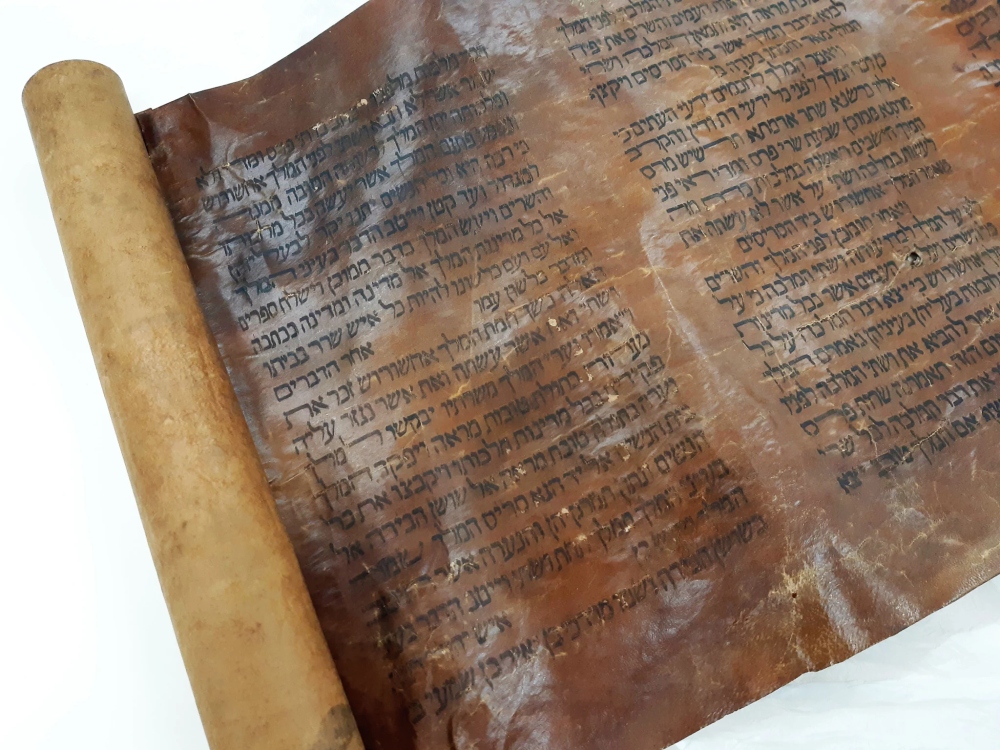
In the midst of war, the ancient scroll of Esther still speaks.
And it speaks of courage, covenant, and divine reversal.
Prayer and Repentance Movement
Website: https://prayerandrepentance.com/
Facebook – https://web.facebook.com/PrayerAndRepentance
Instagram – https://www.instagram.com/prayer_and_repentance
LinkedIn – https://www.linkedin.com/company/prayer-and-repentance/posts/?feedView=all
Twitter – https://x.com/prayerandrepent/
TikTok – https://www.tiktok.com/@prayer.and.repentance
YouTube – https://www.youtube.com/@Prayer_And_Repentance
Join our WhatsApp group
https://chat.whatsapp.com/D7KrCRLzqFK7iJmDIs43wV?mode=gi_t
Please help us to keep on publishing news that brings Hope in Jesus:
>> Donate >> Become a Super Subscriber
VISIT OUR YOUTUBE CHANNEL: https://www.youtube.com/gatewaynews100
COMMENTING GUIDELINES
You are welcome to engage with our articles by making comments [in the Comments area below] that add value to a topic or to engage in thoughtful, constructive discussion with fellow readers. Comments that contain vulgar language will be removed. Hostile, demeaning, disrespectful, propagandistic and off-topic comments may also be moved. This is a Christian website and if you wish to vent against Christian beliefs you have probably come to the wrong place and your comments may be removed. Ongoing debates and repetitiveness will not be tolerated. You will also disqualify yourself from commenting if you engage in trolling.