




Originally published in Relevant Magazine
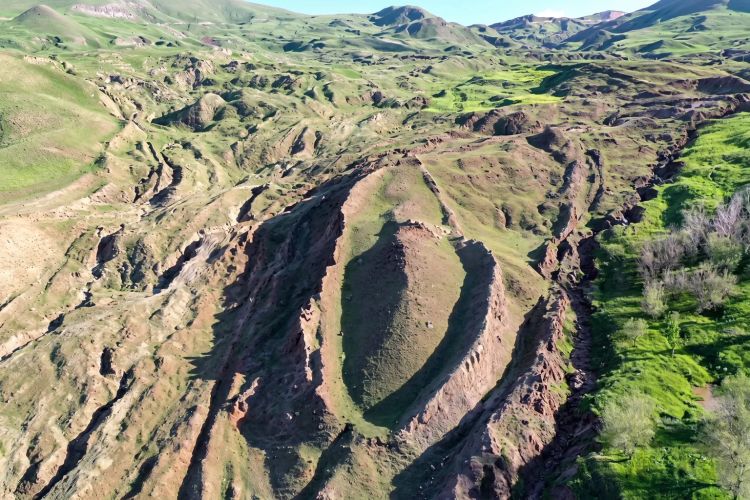
For decades, a boat-shaped geological formation in eastern Turkey has fuelled speculation that it could be connected to one of the Bible’s most famous stories: Noah’s Ark.
Now, the team behind a project called Noah’s Ark Scans says it has received official permission from Turkish authorities to conduct what it describes as the most comprehensive scientific investigation ever performed at the site.
The location, known as the Durupinar Formation, sits about 29 kilometres south of Mount Ararat, the region traditionally associated with Noah’s Ark. According to Genesis, the ark came to rest in the “mountains of Ararat” after the floodwaters receded.
Researchers plan to use non-invasive core sampling, advanced remote-sensing equipment, next-generation imaging technology and an underground exploration drone nicknamed “Gopher” to map what lies beneath the surface.
The renewed interest follows several years of ground-penetrating radar surveys that researchers say revealed unusual features beneath the formation, including what appear to be angular structures, tunnel-like spaces and large voids. Some members of the team argue these findings are difficult to explain as purely natural geological formations.
The group has also pointed to soil samples collected at the site that reportedly differ from surrounding areas, containing higher levels of organic material and potassium. Researchers suggest those differences could be consistent with the decomposition of ancient wood, though those conclusions remain disputed.
Supporters of the project note another intriguing detail: the formation’s dimensions are roughly similar to the measurements given for Noah’s Ark in Genesis.
Still, archaeologists and geologists remain divided. Many scientists argue the Durupinar Formation is a naturally occurring rock formation shaped by geological processes rather than the remains of a massive ancient vessel.
That’s why the upcoming investigation is attracting attention. Unlike previous surveys, the new research will allow scientists to gather more detailed data without excavating the site.
Whether the findings ultimately support the ark theory or point to a more conventional explanation, researchers say the results could help answer one of the longest-running mysteries in biblical archaeology.
The expedition is expected to begin later this year, with preliminary findings released as data is analysed and verified.
Please help us to keep on publishing news that brings Hope in Jesus:
>> Donate >> Become a Super Subscriber
VISIT OUR YOUTUBE CHANNEL: https://www.youtube.com/gatewaynews100
COMMENTING GUIDELINES
You are welcome to engage with our articles by making comments [in the Comments area below] that add value to a topic or to engage in thoughtful, constructive discussion with fellow readers. Comments that contain vulgar language will be removed. Hostile, demeaning, disrespectful, propagandistic and off-topic comments may also be moved. This is a Christian website and if you wish to vent against Christian beliefs you have probably come to the wrong place and your comments may be removed. Ongoing debates and repetitiveness will not be tolerated. You will also disqualify yourself from commenting if you engage in trolling.