




There’s been much fanfare over the screening of a new film on Wuthering Heights, the Emily Brontë novel that has sent romantic hearts racing over nearly two centuries.
One result has been a fresh boost for tourism to Brontë country, focused on the village of Haworth in West Yorkshire. But for some, visits to these windswept moors are more akin to a pilgrimage celebrating their rich spiritual heritage.
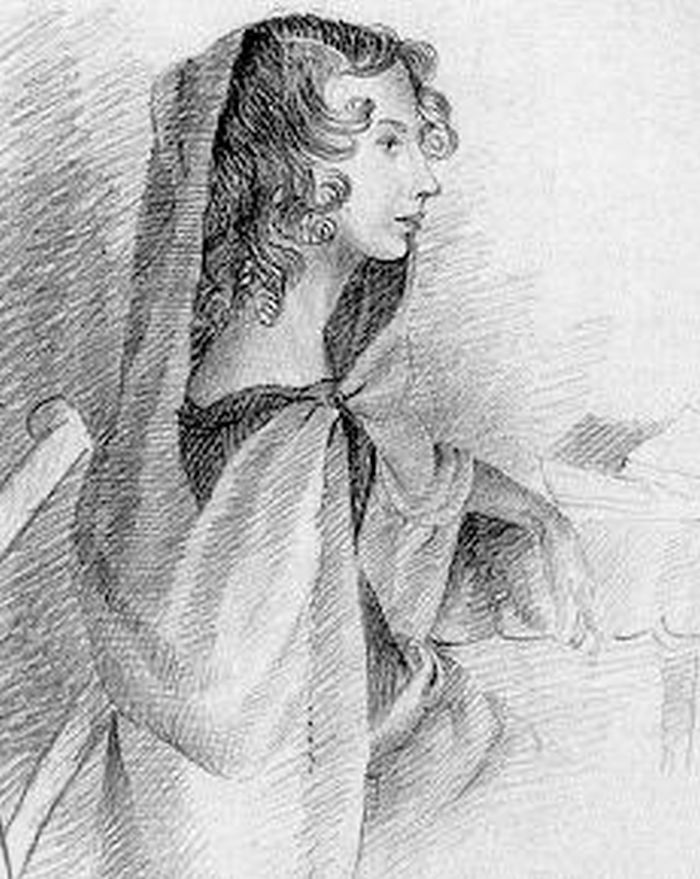
Anne Brontë, the youngest of the three writing sisters, had a deep faith in Christ which shone through the pages of her book The Tenant of Wildfell Hall.
Her heroine, Helen Huntingdon, was married to a drunken, immoral and abusive wretch intent on corrupting their only child. She eventually fled with the boy and, despite falling in love with a farmer during her exile, returned to her husband Arthur when she heard he was dying. She cared for him sacrificially and spoke to him of a God of mercy and forgiveness who could save his soul from hell.
And when he begged Helen to plead with God on his behalf, she replied: “It cost the blood of an incarnate God, perfect and sinless in himself, to redeem us from the bondage of the evil one – let him plead for you now.”
Arthur’s last words gave Helen hope of his eternal state, and the book ends happily, but I won’t spoil it for you.
Anne died, aged just 29, only six months after her sister Emily, both of tuberculosis. The doctor attending her was astonished at her tranquillity. “It is not you who can give me ease,” she told him. “But soon all will be well through the merits of our Redeemer.”
Charlotte, author of Jane Eyre, recorded that “she died …deeply assured that a better existence lay before her. She believed, she hoped, and declared her belief with her last breath.”
All of which did not occur in a vacuum. For Haworth was a spiritual goldfield. Their father Patrick was an evangelical preacher in a parish that was once the focus of a great Christian revival led (in the 18th century) by its vicar William Grimshaw, whose powerful preaching drew thousands to Haworth each Sunday and brought great blessing to much of Yorkshire and beyond.
His life’s motto, also engraved on his coffin, was: For to me, to live is Christ and to die is gain. (Philippians 1:21)
One writer has said: “The whole epic of the Brontë family cannot be separated from the Gospel. Had there been no Wesley, the fire had not kindled. Had there been no Grimshaw, there would have been no fierce tale of Wuthering Heights.”1
1G E Harrison, Haworth Parsonage, A Study of the Wesleys and the Brontës, London: Epworth Press, 1937.
With grateful acknowledgement to Fine Gold from Yorkshire by Faith Cook, EP Books 2017.
Please help us to keep on publishing news that brings Hope in Jesus:
>> Donate >> Become a Super Subscriber
VISIT OUR YOUTUBE CHANNEL: https://www.youtube.com/gatewaynews100
COMMENTING GUIDELINES
You are welcome to engage with our articles by making comments [in the Comments area below] that add value to a topic or to engage in thoughtful, constructive discussion with fellow readers. Comments that contain vulgar language will be removed. Hostile, demeaning, disrespectful, propagandistic and off-topic comments may also be moved. This is a Christian website and if you wish to vent against Christian beliefs you have probably come to the wrong place and your comments may be removed. Ongoing debates and repetitiveness will not be tolerated. You will also disqualify yourself from commenting if you engage in trolling.