


Originally published in Worthy News
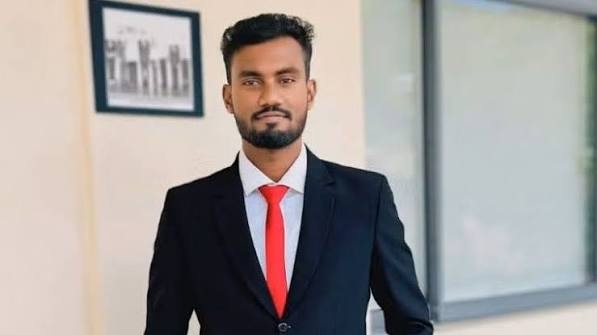
Saudi Arabia’s Supreme Court has overturned the death sentence imposed on a 24-year-old Sri Lankan migrant worker over a social media comment deemed insulting to Islam’s Prophet Muhammad, following diplomatic intervention by Sri Lanka and appeals from human rights advocates, officials said Wednesday.
Sri Lanka’s Deputy Foreign Minister Arun Hemachandra announced that the court had set aside the death sentence against Anojan Sivarasa on Tuesday, October 13, describing the decision as a major relief for the young man and his family.
The ruling followed sustained diplomatic and legal efforts by the Sri Lankan government, which had worked with Saudi authorities and legal representatives to challenge the sentence.
Hemachandra thanked Saudi Arabia for its cooperation and acknowledged the contributions of Sri Lanka’s ambassador, Foreign Ministry officials, the Sri Lanka Bureau of Foreign Employment, and Sri Lankan and Saudi legal teams.
However, the ruling did not necessarily mean Sivarasa would be released. Sri Lankan media reported Thursday that the Supreme Court had also set aside an earlier five-year prison sentence and ordered the case returned for reconsideration, although the precise status of the proceedings remained unclear.
Facebook comment case
Sivarasa, a Hindu migrant worker from Sri Lanka’s Tamil minority, was arrested in Saudi Arabia on July 1 following an online religious dispute in which he reportedly posted a comment considered insulting to Muhammad on the Facebook social media platform.
He subsequently deleted the comment and apologised, according to accounts of the case.
A Saudi court initially sentenced him on July 27 to five years in prison and a fine of three million Saudi riyals (R13 180 417).
However, an appeals court increased the punishment to death on September 17, prompting renewed appeals from human rights advocates and urgent diplomatic intervention by Sri Lanka.
The human rights organisation Amnesty International criticised the proceedings, saying Sivarasa had been punished for exercising his right to freedom of expression and raising concerns about his access to legal representation.
Christian advocate responds
Sardar Mushtaq Gill, founder of the Christian advocacy organisation LEAD Ministries, praised Sri Lanka’s involvement in the case and expressed hope that similar diplomatic and legal interventions could help Christians facing blasphemy accusations in his native Pakistan.
Speaking to Worthy News, Gill cited the Sri Lankan government’s efforts as an example of the practical assistance he believes Christian leaders, governments and international organisations should provide to people facing severe punishment under blasphemy laws.
Pakistan’s Supreme Court recently upheld the death sentence of Christian father of three Qaiser Ayub, who faces execution by hanging and denies publishing blasphemous material online, while acquitting his younger brother, Amoon Ayub, after more than a decade of imprisonment, Worthy News reported earlier.
Blasphemy legislation in Pakistan allows the death penalty for insulting Islam’s Prophet Muhammad, although executions under the country’s blasphemy laws have not been carried out through the judicial system.
Christians and other religious minorities have faced accusations under the legislation, with human rights organisations warning that such cases can lead to prolonged imprisonment, mob violence and threats against defendants and their families.
Blasphemy laws scrutinised
Gill has long advocated for people accused of blasphemy in Pakistan, where religious minorities and Muslims alike can face severe consequences following allegations of insulting Islam.
The Saudi case has renewed attention to the use of severe criminal penalties for religious expression, particularly when comments made online become the basis for prosecution.
Saudi Arabia applies Islamic law within its legal system, and offenses involving alleged insults to Islam or the Prophet Muhammad can carry severe punishments.
Human rights organisations have repeatedly called on governments to repeal laws that criminalise peaceful religious expression, arguing that such provisions can undermine freedom of religion, belief and speech.
For Sivarasa and his family, the Supreme Court’s decision represents a major development after months of legal uncertainty and the threat of execution.
Yet questions remain about whether the young Sri Lankan worker will be released or face further proceedings, even as his case highlights the potential impact of international advocacy and sustained diplomatic intervention.
Please help us to keep on publishing news that brings Hope in Jesus:
>> Donate >> Become a Super Subscriber
VISIT OUR YOUTUBE CHANNEL: https://www.youtube.com/gatewaynews100
COMMENTING GUIDELINES
You are welcome to engage with our articles by making comments [in the Comments area below] that add value to a topic or to engage in thoughtful, constructive discussion with fellow readers. Comments that contain vulgar language will be removed. Hostile, demeaning, disrespectful, propagandistic and off-topic comments may also be moved. This is a Christian website and if you wish to vent against Christian beliefs you have probably come to the wrong place and your comments may be removed. Ongoing debates and repetitiveness will not be tolerated. You will also disqualify yourself from commenting if you engage in trolling.