




By Bafana Modise, National Spokesperson of South African Friends of Israel
From Genesis to Revelation, the Bible tells one continuous redemptive story. At the heart of that story stands Israel.
Scripture does not describe many covenant nations chosen for redemptive history. It speaks of one nation through whom God chose to reveal His character, His law, His promises, and ultimately His Messiah: Israel. The God of Abraham, Isaac, and Jacob established covenants with this people: covenants not framed as temporary political arrangements, but as enduring commitments rooted in divine faithfulness. These promises form the backbone of biblical history and theology.
Christianity is not detached from Israel; it is rooted in it.
Jesus Christ was born a Jew in Bethlehem. He grew up in Nazareth, worshipped in synagogues, celebrated Passover, and taught from the Hebrew Scriptures. His disciples were Jewish. The early Church was Jewish. The New Testament emerges from the soil of Israel’s covenant story. To attempt to separate Christianity from Israel is to attempt to disconnect a tree from its roots.
The Exodus from Egypt is not only central to Jewish identity; it forms the spiritual architecture of Christian faith. At Passover, Jewish families recount God’s deliverance from bondage: a story Christians recognise as foreshadowing redemption through Christ. To this day, Jewish communities close the Passover Seder with the words, “Next year in Jerusalem,” expressing a centuries-long hope rooted in covenant promise.
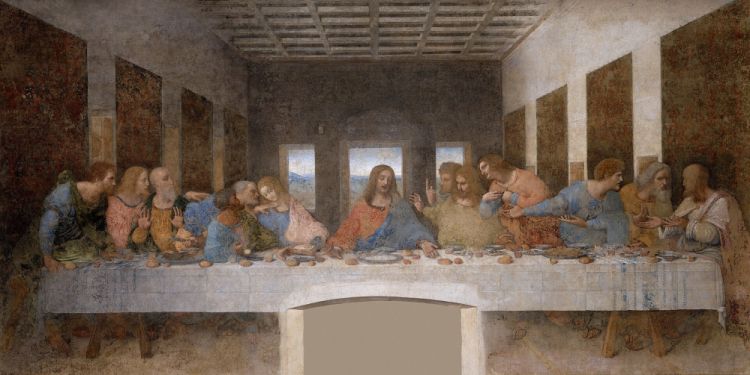
Christians inherit this story. The Last Supper itself was a Passover meal. The themes of deliverance, covenant, sacrifice, and redemption are shared threads woven into both faith traditions.
The prophet Ezekiel spoke of dry bones rising again (Ezekiel 37), a powerful image many believers understand as symbolising national restoration after exile. Zechariah foresaw elderly men and women sitting safely in the streets of Jerusalem (Zechariah 8), a picture of stability and renewal.
In 1948, the establishment of the modern State of Israel marked a historic turning point after centuries of dispersion. For many Christians around the world, this moment resonated deeply with prophetic expectation and biblical continuity.
The Book of Esther tells of a moment when the Jewish people faced annihilation under Haman’s decree. Through courage, faith, and providence, Esther and Mordechai stood firm, and the Jewish people were preserved. Throughout history, the pattern has repeated itself: attempts to eradicate the Jewish people have emerged in different forms and under different banners. Yet the covenant story has endured.
Today, many Christians and Jews recognise in these recurring threats what Scripture personifies in Haman — an enduring spirit of hatred against the Jewish people. In standing against antisemitism, violence, and calls for destruction, Christians are not entering foreign territory; they are standing within their own biblical inheritance.
The Apostle Paul writes in Romans 11 that Gentile believers are “grafted in” to Israel’s olive tree. The Church did not replace Israel; it was brought into participation in the promises first given to Israel. This shared heritage shapes values still visible today: reverence for Scripture, belief in one sovereign God, covenant faithfulness, moral responsibility, the sanctity of life, and the pursuit of justice rooted in divine law.
For Bible-believing Christians, support for Israel is not a matter of political trend or cultural alignment. It is a theological conviction grounded in Scripture and shared heritage. Israel is the land of prophets, promises, and covenant history.
To affirm Israel’s place in biblical history is not extremism. It is continuity. It is recognising the narrative into which Christianity itself was born. All Christians, by the foundation of their faith, are connected to Zion.
Please help us to keep on publishing news that brings Hope in Jesus:
>> Donate >> Become a Super Subscriber
VISIT OUR YOUTUBE CHANNEL: https://www.youtube.com/gatewaynews100
COMMENTING GUIDELINES
You are welcome to engage with our articles by making comments [in the Comments area below] that add value to a topic or to engage in thoughtful, constructive discussion with fellow readers. Comments that contain vulgar language will be removed. Hostile, demeaning, disrespectful, propagandistic and off-topic comments may also be moved. This is a Christian website and if you wish to vent against Christian beliefs you have probably come to the wrong place and your comments may be removed. Ongoing debates and repetitiveness will not be tolerated. You will also disqualify yourself from commenting if you engage in trolling.