




By Bafana Modise, National Spokesperson of South African Friends of Israel
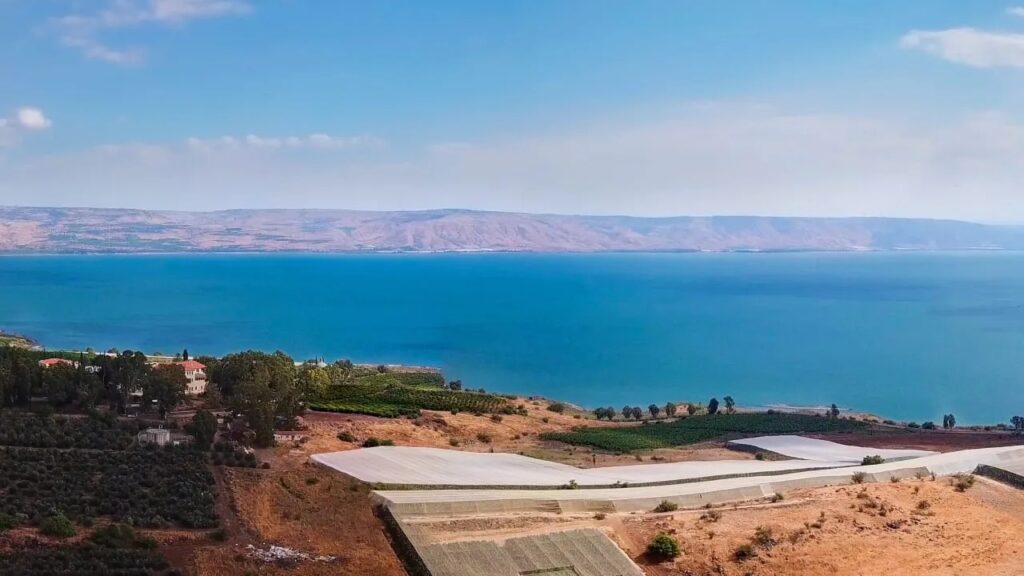
For Christians around the world, few places carry greater spiritual significance than the Sea of Galilee. It was on these waters that Jesus calmed the storm, walked upon the waves, called His first disciples and ministered to countless people along its shores. For 2 000 years it has stood not only as a geographical landmark, but as one of Christianity’s most treasured places of pilgrimage and faith.
This year, history quietly unfolded there.
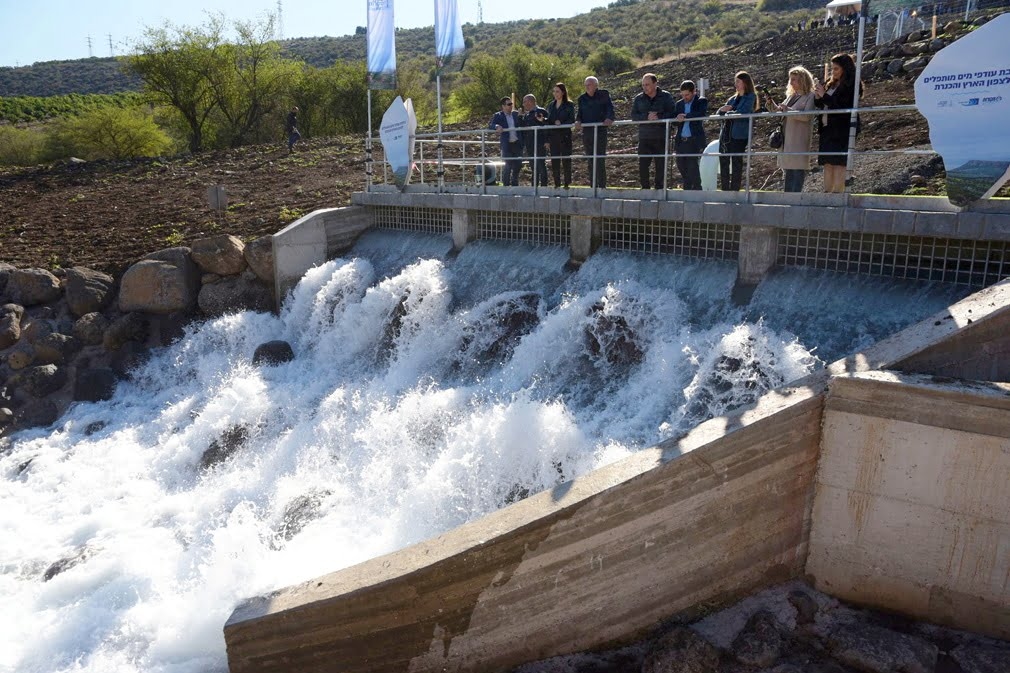
For the first time anywhere in the world, an entire freshwater lake is being replenished with desalinated seawater. Israeli engineers have achieved what was once considered impossible, reversing declining water levels through technology, long-term planning and scientific innovation. It is an extraordinary engineering milestone. But it is also something more profound.
It demonstrates what becomes possible when a nation chooses innovation and invests in solving tomorrow’s problems before they become today’s disasters. What many might not yet know, is that Israel is one of the driest countries on earth. It receives a fraction of SA’s average annual rainfall, yet today produces most of its drinking water through desalination while recycling almost 90% of its wastewater for agriculture – the highest rate anywhere in the world.
Instead of allowing drought to dictate its future, Israel simply decided to change the equation. SA, sadly, has chosen a different path, and we need to speak this truth to power as citizens if we want to spearhead the same degree of innovation that is capable of saving and improving millions of lives here at home.
Thirty years into democracy, millions of South Africans still lack reliable access to clean drinking water. Communities across every province endure dry taps, collapsing municipal infrastructure and ageing purification systems. Water shortages have become so routine that they are now treated as an unavoidable feature of daily life rather than a failure of governance. Perhaps the most harrowing reality of this circumstance is that thousands of young girls in our country are missing school days as a result of this crisis, during their menstrual cycles. The tragedy is that it did not have to be this way.
During Cape Town’s Day Zero crisis in 2017, Israel offered to assist with desalination technology that could have fundamentally strengthened the city’s long-term water security. Had that opportunity been embraced and construction commenced at the time, a major desalination facility could now be nearing completion, capable of supplying fresh drinking water to millions of residents while easing enormous pressure on existing dams and infrastructure.
Instead, ideology prevailed over pragmatism, and South Africans have continued to pay the price for this ever since.
The irony is difficult to ignore. In less than a decade, Israel has progressed from pioneering world-leading desalination technology to using that same innovation to restore one of Christianity’s most sacred freshwater lakes. Meanwhile, South Africans living in a region with much greater water resources than Israel continue to queue for water tankers or watch untreated sewage contaminate rivers that should sustain their communities.
This is not simply a story about engineering. It is a story about leadership. Israel consistently demonstrates that national resilience is built by anticipating future challenges, embracing scientific excellence and partnering with those who possess the expertise to solve complex problems. That same spirit has extended well beyond Israel’s borders.
Through organisations such as Innovation:Africa, founded by Israeli humanitarian Sivan Ya’ari, Israeli water expertise has already transformed the lives of hundreds of thousands of people across rural Africa by bringing clean water, solar energy and agricultural innovation to underserved communities. South Africa has likewise benefited from this spirit of partnership, proving that Israeli innovation is not reserved for Israelis alone — and it is already changing lives through Ya’ari’s NPO.
This is the Israel that too often goes unnoticed. It is the Israel that develops technologies now used across the globe to combat water scarcity, improve food security and help communities adapt to climate pressures. It is the Israel whose Christian population enjoys freedom of worship and continues to grow, while preserving and protecting the very sites that millions of Christians around the world hold sacred.
At a time when political rhetoric increasingly dominates discussions about Israel, South Africans should ask a simple question: Should we define relationships with countries by ideology, or by whether they improve the lives of our people?
SA’s water crisis will not be solved through slogans, diplomatic grandstanding or political theatre. It will be solved through partnerships, investment, innovation and the willingness to learn from countries that have already overcome the challenges we continue to face. The replenishment of the Sea of Galilee is more than a remarkable scientific achievement. It is proof that seemingly impossible problems can be solved when governments place the needs of their citizens first.
Please help us to keep on publishing news that brings Hope in Jesus:
>> Donate >> Become a Super Subscriber
VISIT OUR YOUTUBE CHANNEL: https://www.youtube.com/gatewaynews100
COMMENTING GUIDELINES
You are welcome to engage with our articles by making comments [in the Comments area below] that add value to a topic or to engage in thoughtful, constructive discussion with fellow readers. Comments that contain vulgar language will be removed. Hostile, demeaning, disrespectful, propagandistic and off-topic comments may also be moved. This is a Christian website and if you wish to vent against Christian beliefs you have probably come to the wrong place and your comments may be removed. Ongoing debates and repetitiveness will not be tolerated. You will also disqualify yourself from commenting if you engage in trolling.

God Almighty give Grace to the Humble,God resist the Proud.The Anc has shown it over and over.The Country can rather collapse (God forbid)before they allow the Jewish Nation to help them from their foolish ignorance and pride.