



By South Africa Tribune editorial team
A crisis that demands a community response
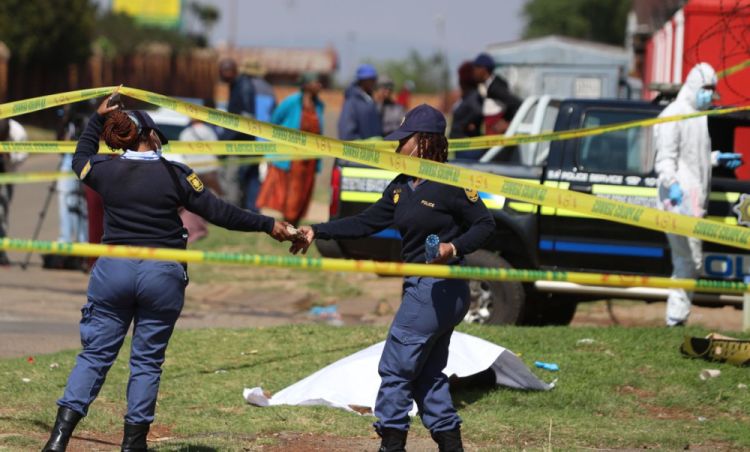
South Africa entered the final days of September 2026 confronting another painful surge in violence against women. The Presidency confirmed that 12 women’s bodies had been found in Ekurhuleni since July, while government announced an emergency response involving specialised investigators, reviews of unresolved cases and action around unsafe public spaces. The details are disturbing, but the wider challenge is painfully familiar: gender-based violence and femicide have become recurring national emergencies rather than isolated incidents.
For Christian communities, the question is not whether the crisis belongs on the Church agenda. It already does. Congregations include survivors, grieving families, police officers, teachers, young men, children and neighbours who live with the consequences. Faith communities therefore have a practical role in prevention, support, accountability and the rebuilding of trust.
Move from awareness to practical safety
Prayer, preaching and public statements matter, but they should lead to practical action. Churches often have buildings, volunteers, trusted leaders and local knowledge. Those resources can be organised around safety. Congregations can map poorly lit routes used by women and children, identify abandoned spaces that create risk, and establish safe transport or accompaniment arrangements after evening services and community events.
Government’s latest response includes a national focus on unsafe public spaces. Local churches can complement that work by reporting broken lighting, dangerous vacant properties and transport risks through municipal channels, while keeping records of unresolved complaints. Practical advocacy is strongest when it is specific, documented and persistent rather than purely rhetorical.
Create clear support pathways
A survivor who discloses abuse should not have to depend on whether one individual pastor knows what to do. Churches need written referral pathways that include police, shelters, social workers, medical services and specialised GBV organisations. Leaders should know the difference between pastoral support and professional counselling, and they should never pressure a survivor to reconcile with an abuser when safety is at risk.
Confidentiality also needs clear boundaries. A church should protect a survivor’s dignity while understanding its legal and ethical responsibilities where children, immediate danger or criminal conduct are involved.
Men must be part of prevention
President Cyril Ramaphosa’s September address placed particular emphasis on the responsibility of men. That is an area in which churches can influence culture directly. Men’s ministries should go beyond general messages about being a good husband or father and address coercive control, sexual entitlement, jealousy, stalking, abuse of alcohol, online harassment and the misuse of religious language to dominate women.
Healthy masculinity should be discussed before violence occurs, not only after tragedy. Young men need spaces where respect, self-control, accountability and consent are taught clearly. Older men who are trusted in congregations can model how disagreement and disappointment are handled without intimidation.
Do not spiritualise abuse away
One of the most damaging responses a survivor can receive is to be told that stronger faith, more prayer or greater submission will solve an abusive situation. Abuse is not a normal marriage problem, and violence should never be reframed as a private spiritual test.
Churches should be especially careful with counselling that places responsibility on a victim to preserve a relationship at any cost. Christian teaching about forgiveness does not require a person to remain in danger, and forgiveness should not be confused with removing legal or practical consequences for harmful behaviour.
Support families after violence
When a woman is killed, the impact extends far beyond the immediate crime scene. Children may lose a parent, relatives may suddenly become caregivers, and communities can become fearful or angry. Churches are often well placed to provide meals, transport, childcare, funeral support and long-term pastoral care.
That support should continue after media attention fades. Trauma does not end with a funeral. Children and relatives may need help months later with schooling, counselling, legal processes and everyday expenses.
Use trusted platforms responsibly
Faith leaders have audiences that many institutions struggle to reach. A Sunday service, youth meeting, WhatsApp group or community radio programme can be used to share emergency contacts, explain signs of abuse and challenge harmful behaviour. But communication must be accurate and should avoid exposing survivors or spreading unverified claims about active cases.
Readers following South Africa Tribune News and other local news sources can also help by sharing verified information instead of rumours, particularly when police investigations are under way.
A stronger public witness
The most credible response from churches will be measured by what happens between national moments of outrage. A congregation that trains its leaders, builds referral relationships, challenges abusive behaviour, supports survivors and improves local safety is doing more than expressing sympathy.
South Africa’s GBV crisis cannot be solved by faith communities alone. It requires effective policing, prosecution, social services, safer public infrastructure and broader cultural change. But churches are embedded in communities where attitudes are formed and where people often seek help first. That gives them both an opportunity and a responsibility.
The practical question is simple: if a woman in the congregation or neighbourhood is afraid tonight, does the community know how to respond tomorrow morning? Turning that answer into a confident yes would be a meaningful expression of faith in action.
Build partnerships before a crisis
Churches are most effective when relationships with specialist organisations already exist before an emergency. Congregations can invite local social workers, shelter representatives, police victim-support personnel and legal-aid organisations to brief leaders on referral procedures. That preparation reduces confusion when someone asks for help at a difficult moment. It also prevents a church from trying to provide services outside its competence.
Partnerships should be reviewed periodically because contact details, shelter capacity and personnel change. A printed or digital directory available to trained leaders can make the difference between a vague promise to help and a practical next step.
Protect children and young people
Children who witness violence can carry trauma even when they are not physically attacked. Youth leaders, teachers and Sunday-school volunteers should know how to recognise concerning behaviour and where to refer a child for professional support. Safeguarding policies should cover background checks where appropriate, supervision rules, reporting procedures and boundaries for private communication with minors.
Young people also need age-appropriate conversations about respect, consent and digital harassment. Prevention becomes stronger when healthy behaviour is taught before harmful patterns become normal.
Measure what the church is actually doing
A congregation can set simple indicators: how many leaders received safeguarding training, whether referral contacts are current, whether emergency transport is available, and whether volunteers know the reporting procedure. These measures are not about turning ministry into bureaucracy. They are a way of making sure good intentions become reliable systems.
Annual review also creates accountability. If a policy exists only on paper, leaders should know. The goal is a community in which people can ask for help without being blamed, exposed or sent away with only a promise of prayer.
Sources:
The Presidency, national address on GBVF, 29 September 2026: https://www.thepresidency.gov.za/address-nation-president-cyril-ramaphosa-killings-women-ekurhuleni-and-national-response-gender
South African Government, Cabinet statement, 29 September 2026: https://www.gov.za/news/cabinet-statements/full-statement-cabinet-meeting-23-september-2026-29-sep-2026
Please help us to keep on publishing news that brings Hope in Jesus:
>> Donate >> Become a Super Subscriber
VISIT OUR YOUTUBE CHANNEL: https://www.youtube.com/gatewaynews100
COMMENTING GUIDELINES
You are welcome to engage with our articles by making comments [in the Comments area below] that add value to a topic or to engage in thoughtful, constructive discussion with fellow readers. Comments that contain vulgar language will be removed. Hostile, demeaning, disrespectful, propagandistic and off-topic comments may also be moved. This is a Christian website and if you wish to vent against Christian beliefs you have probably come to the wrong place and your comments may be removed. Ongoing debates and repetitiveness will not be tolerated. You will also disqualify yourself from commenting if you engage in trolling.